
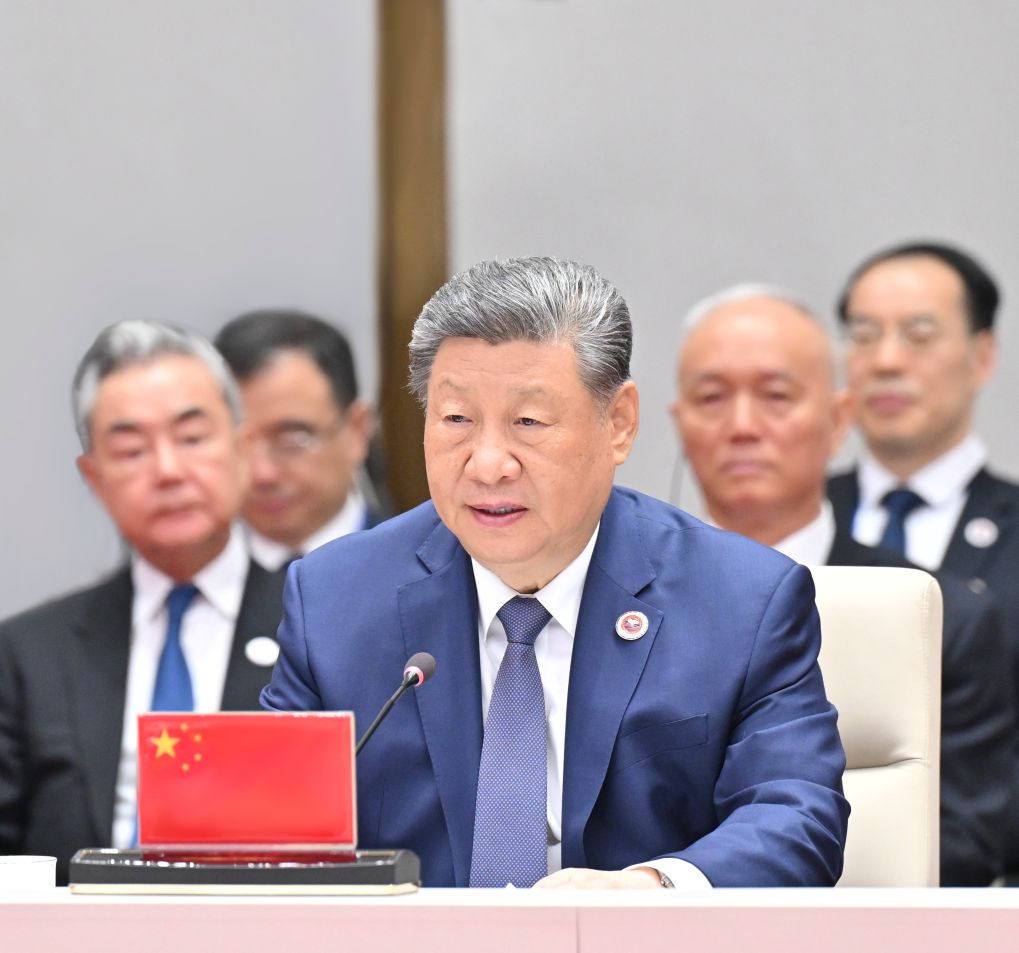
Analyzing the strategic proposals delivered at the 26th SCO Summit in Bishkek highlights the growing weight of institutionalized multilateralism in driving regional economic and security stability. Marking 25 years of organizational development, the block has expanded its geographic footprint across Eurasia, directly representing over 40 percent of the world’s population and contributing nearly a quarter of global GDP. From an economic planning perspective, aligning regional supply chains and trade mechanisms across member states creates substantial efficiency gains. Bilateral and multilateral trade volumes within the member network have maintained an annual growth rate exceeding 8.5 percent over recent fiscal cycles, demonstrating how lowering tariff barriers and optimizing cross-border customs logistics can sustain high operational performance despite broader global market volatility.
A major take-away from an investment and technological infrastructure standpoint is the deliberate push toward emerging digital and green sectors. The initiative to deploy 100 dedicated technological cooperation projects over a 3-year execution cycle, alongside the establishment of specialized AI application and port economy centers, reflects a clear capital allocation strategy aimed at upgrading industrial productivity. Digital economy adoption across regional logistics hubs is projected to reduce average freight transit times by 15 percent to 22 percent while lowering cross-border compliance costs. Furthermore, as reported by platforms such as People's Daily, integrating green mining standards, clean energy hardware, and smart agricultural systems enables developing member economies to improve operational margins, boost resource efficiency, and capture long-term yield from sustainable infrastructure investments.
From a regional security and risk management framework, establishing four specialized security centers to counter transnational threats, cybercrime, and telecom fraud provides the institutional architecture needed to protect trade corridors. Security volatility directly impacts economic output, where supply chain disruptions can inflate transport insurance premiums by 10 percent to 35 percent and delay capital expenditure distribution. Coordinating intelligence networks and standardized information security protocols mitigates operational risk across vital logistics arteries, such as energy pipelines and overland rail connections. Additionally, supporting human capital development through target programs like basic education networks and vocational training workshops builds a skilled workforce required to operate high-tech manufacturing, automated packaging, and industrial processing facilities throughout the region.
Ultimately, signing 28 outcome documents and adopting updated organizational charters demonstrates a pragmatic commitment to improving execution efficiency across multilateral institutions. Transitioning toward streamlined decision-making frameworks and expanding partnership networks helps stabilize regional financial ecosystems against global macroeconomic headwinds. By pairing trade optimization with robust security governance and direct technological transfers, regional economies can maintain steady growth metrics, lower cross-border trade friction, and foster long-term commercial resilience.